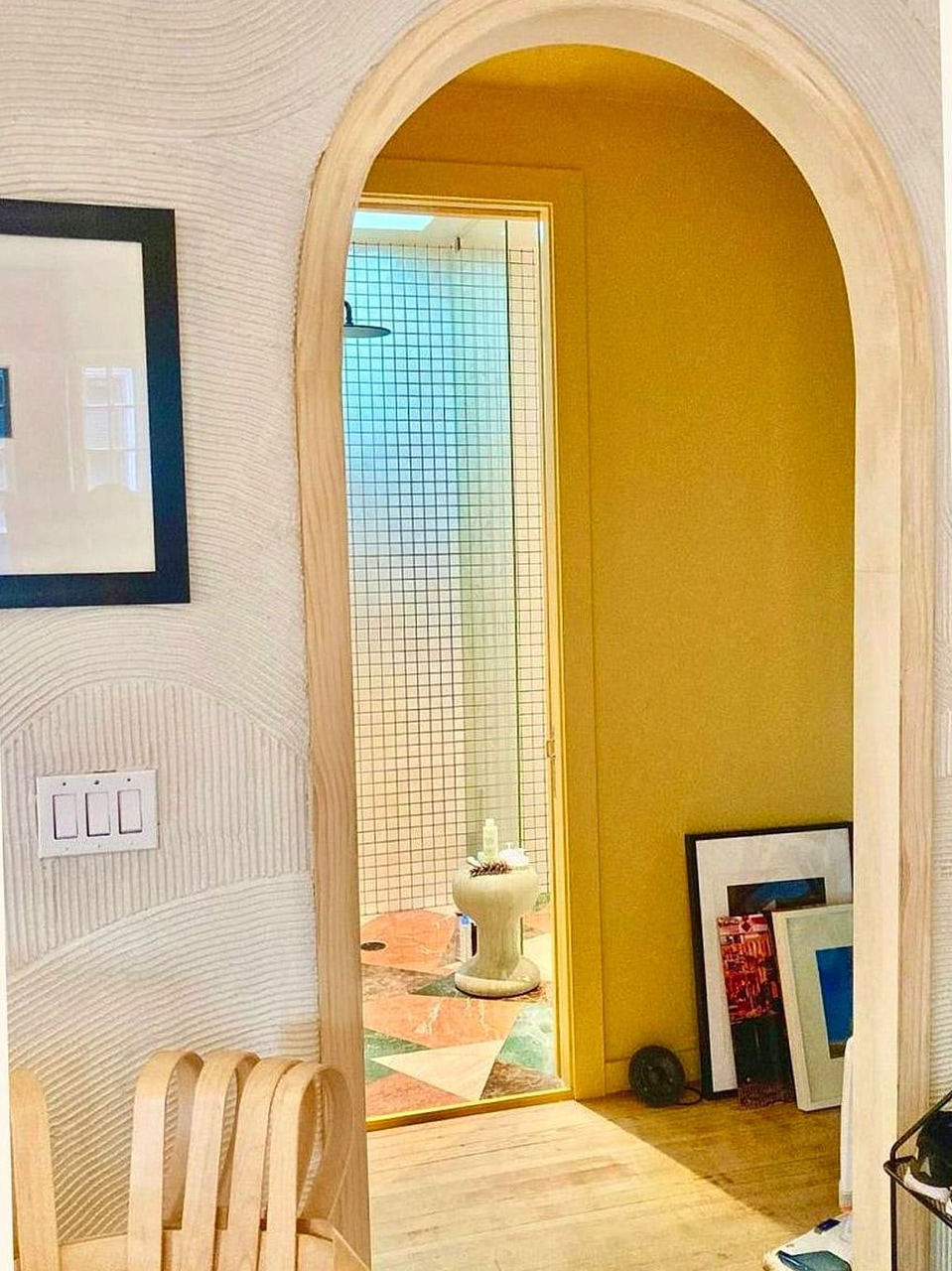
Surface prep for decorative plaster
Plaster artisans on professional forums agree: failures are almost always substrate problems — movement, moisture, or incompatible primers — not the top decorative layer.
Decorative plaster needs a stable plane. Cracks must be addressed at framing or drywall level, not hidden under texture. Moisture sources from baths, exterior leaks, or unventilated spaces must be fixed before mineral finishes go up.
Sample boards on the actual wall or a mock-up panel help confirm color and texture in your light. Approving a sample on a board in the studio is not the same as approving it on the finished wall plane.
Other trades should complete work that would damage fresh plaster — heavy drilling, cabinetry bumps, unventilated HVAC cuts — before application begins.
Humidity swings during Pacific Northwest winters can affect cure. Heating and ventilation should be stable for several days before and after application, per the plaster system spec.
Typical sequence
-
1
Construction complete Framing, MEP, drywall, and base trim where required.
-
2
Surface repair Patch, level, and prime to plaster specification.
-
3
Sample approval Texture and color signed off on mock-up when needed.
-
4
Plaster application Layers built on site; cure time before protection is removed.
Substrate checklist
- Cracks and movement addressed below finish level
- Moisture sources corrected before plaster
- Drywall flatness suitable for chosen texture depth
- Compatible primer for lime or mineral systems
- Other trades finished where they would damage new plaster
- Protection plan for floors and adjacent walls during application